
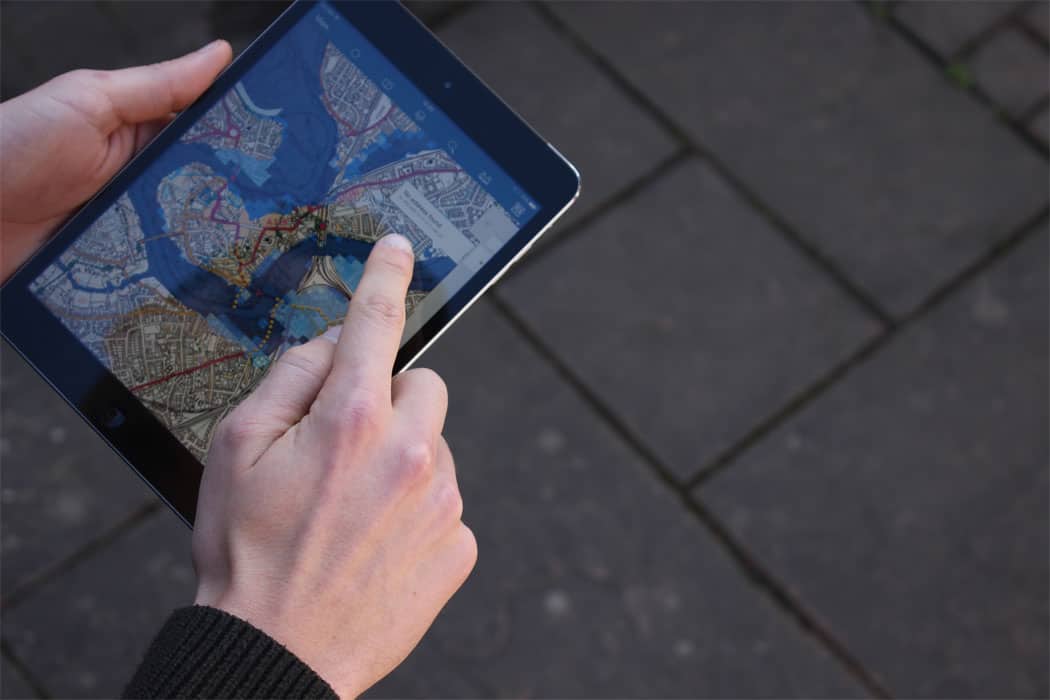
Whether you’re preparing for AS/A level/Advanced Highers/Highers/IB or GCSE, Geography or Biology, we’ve got you covered.
14-16 Geography
Looking for help planning and carrying out fieldwork for your GCSE? See below or explore our Geography Fieldwork Opportunities.
16-18 Geography
Choose the area of Geography that you you would like to investigate, and set sail on the route to enquiry
14-16 Biology
Looking for help planning and carrying out scientific investigations for GCSE?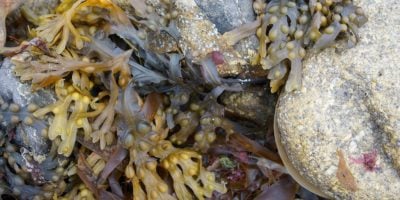
16-18 Biology
Looking for help planning and carrying out fieldwork for your AS or A Level? Explore fieldwork ideas for every topic in Biology: Succession, Diversity and Energetics.
Primary Resources
Explore our resources for teachers and primary aged pupils.
Key Stage 3 Resources
Explore our resources for teachers and students at key stage 3.
Digital Hub Plus
Subscribe/login to our package of teaching videos and resources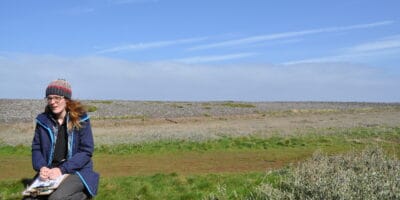
Field Studies Journal
Field Studies, the scientific journal of the Field Studies CouncilOther opportunities with Field Studies Council
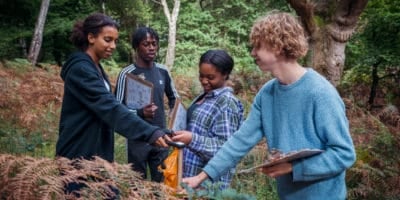
Secondary and Further Education Courses
Set your students up for success with our secondary school trips and courses. Offering excellent first hand experiences for your students, all linked to the curriculum.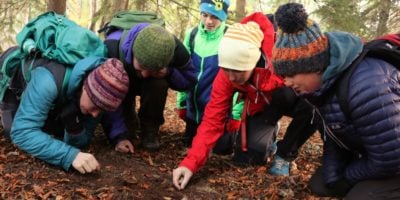
Group Leader and Teacher Training
Centre-based and digital courses for teachers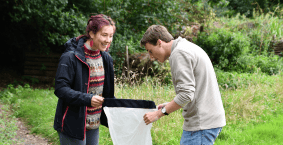
Experiences for Young People
Do you enjoy the natural world and being outdoors? Opportunities for Young People aged 16-25.